Severe tooth pain can make everyday life difficult. When a damaged or infected tooth requires treatment, understanding the difference between root canal treatment and tooth extraction can help you make an informed decision.
When a tooth becomes severely infected or damaged, your dentist may recommend either saving the natural tooth with root canal treatment or removing it through extraction. The appropriate treatment depends on the condition of the tooth, the extent of infection, and the health of the surrounding gums and bone.
At Modern Dental Centre in Ballarat, our approach is to preserve natural tooth structure whenever clinically appropriate. A thorough dental examination and X-rays help determine which treatment option is most suitable for your individual situation.

What Is Root Canal Treatment?
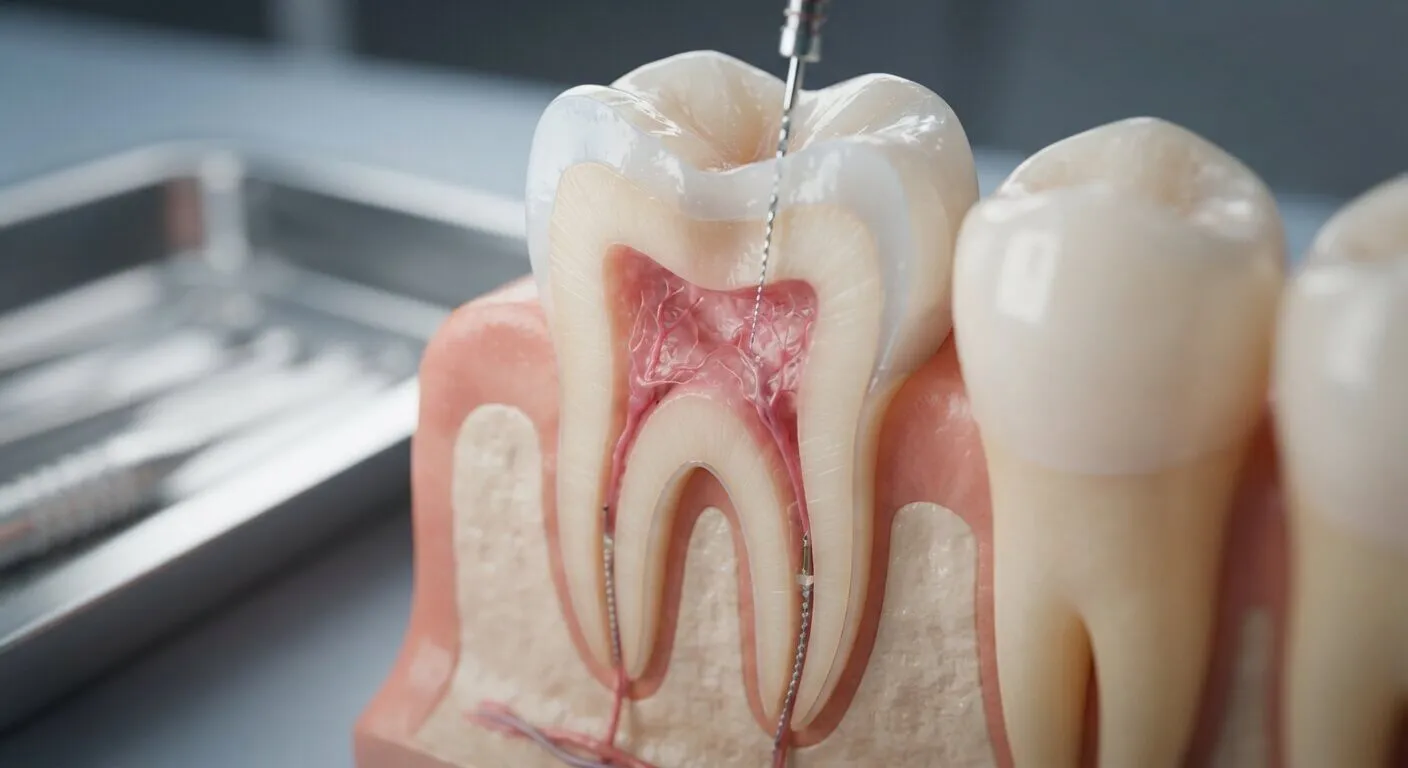
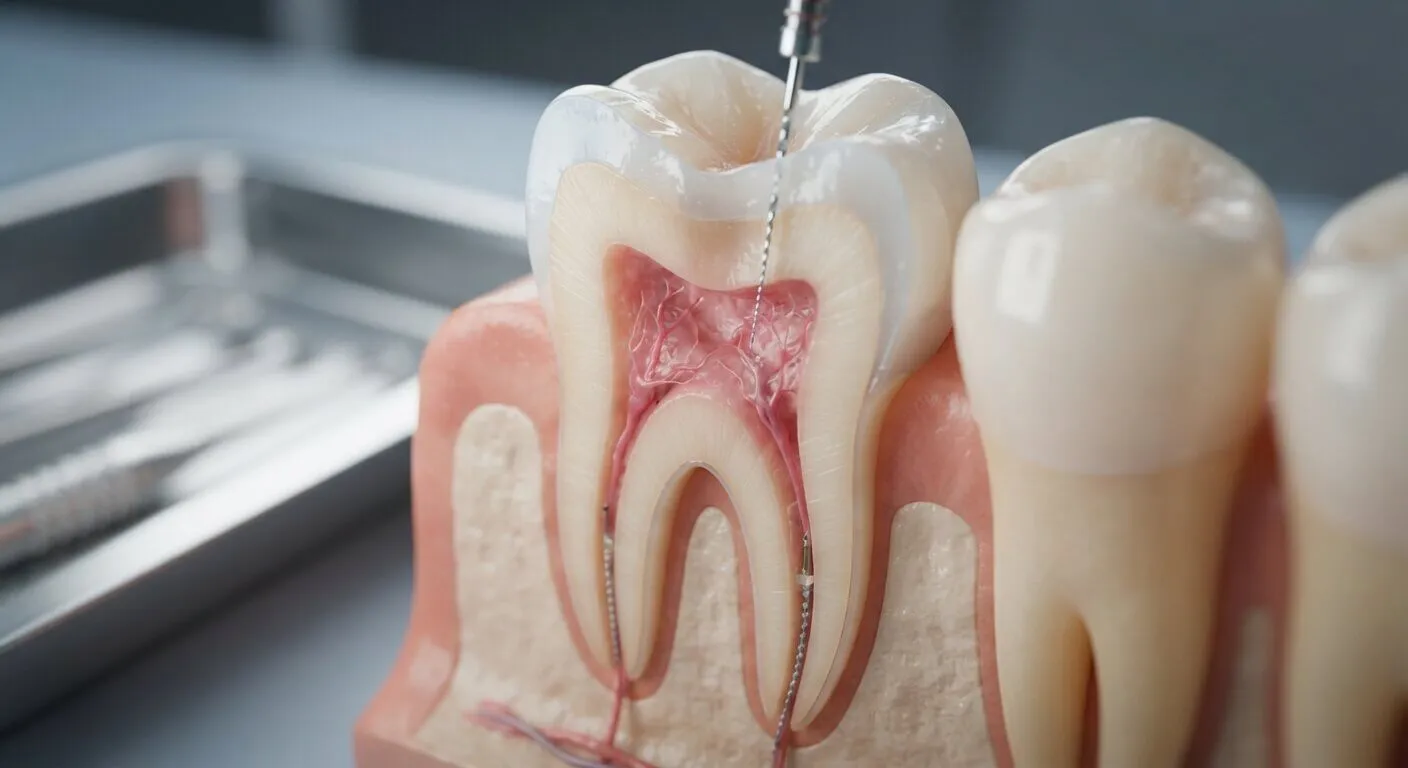
Root canal treatment is designed to remove infected or inflamed tissue from inside a tooth while preserving the natural tooth.Inside each tooth is soft tissue called the pulp, containing nerves, blood vessels, and connective tissue. Deep decay, cracks, fractures, or previous dental work can allow bacteria to reach the pulp and cause infection.
Root canal treatment generally involves:
Administering local anaesthetic
Accessing the inner pulp chamber
Removing infected or inflamed tissue
Cleaning and disinfecting the root canals
Sealing the canals to help prevent reinfection
Restoring and protecting the treated tooth
Depending on the tooth and the amount of remaining structure, a dental crown may be recommended following treatment to provide additional protection.
What Is Tooth Extraction?
Tooth extraction involves completely removing a tooth from its socket. It may be recommended when a tooth is too severely damaged or infected to be predictably restored.
Common reasons for tooth extraction include:
Severe tooth decay or infection
Extensive structural damage
Teeth fractured below the gum line
Impacted wisdom teeth
Advanced gum disease and bone loss
Certain orthodontic requirements
Your dentist will assess whether the tooth can reasonably be preserved before recommending extraction.
Root Canal vs Tooth Extraction
The primary difference between these treatments is whether the natural tooth can be retained.Root canal treatment removes infection from inside the tooth while allowing the natural tooth to remain in place. Preserving the tooth can help maintain normal chewing function, surrounding bone, and the position of neighbouring teeth.
Extraction removes the affected tooth completely. If the resulting space needs to be restored, replacement options may include:
Dental implants
Dental bridges
Partial dentures
The most appropriate option depends on your oral health, individual circumstances, and treatment goals.
What Happens If an Infected Tooth Is Left Untreated?
An infected tooth generally requires professional dental treatment. Without appropriate care, infection may spread beyond the tooth into surrounding tissues and bone.
Possible complications can include:
Increasing tooth pain
Dental abscess
Facial or gum swelling
Damage to surrounding bone
Spread of infection to nearby tissues
Seeking dental assessment early can provide more treatment options and help reduce the risk of complications.
Recovery and Comfort
Both root canal treatment and tooth extraction are generally performed using local anaesthetic to help keep patients comfortable during treatment. Some tenderness following root canal treatment can occur and generally improves as the area heals.
Recovery following an extraction varies according to the tooth and complexity of the procedure. During the early healing period, it is particularly important to follow your dentist's instructions and avoid disturbing the blood clot that forms within the extraction site.
Conclusion
When possible and clinically appropriate, preserving a natural tooth can provide important functional benefits. However, severely damaged or non-restorable teeth may require extraction to protect your oral health.If you're experiencing persistent tooth pain, swelling, sensitivity, or other signs of infection, an early dental assessment can help identify the cause and determine the most appropriate treatment. At Modern Dental Centre in Ballarat, our dental team can assess the affected tooth, explain your treatment options, and help you make an informed decision based on your individual dental needs.
Blog